
Why Do Teens Vape?
Vaping can be easy for a parent to miss until it starts affecting a teenager’s mood, behavior, relationships, or daily routine. Teens and vaping have become an important concern because many e-cigarettes contain nicotine, which can lead to dependence while the brain is still developing.
Parents may also wonder, why do teens vape when they know nicotine can be harmful. The answer is not always simple, and understanding what is behind the behavior can be an important part of helping your teenager move toward healthier choices.
Learn about our teen substance use programs or verify your insurance now!
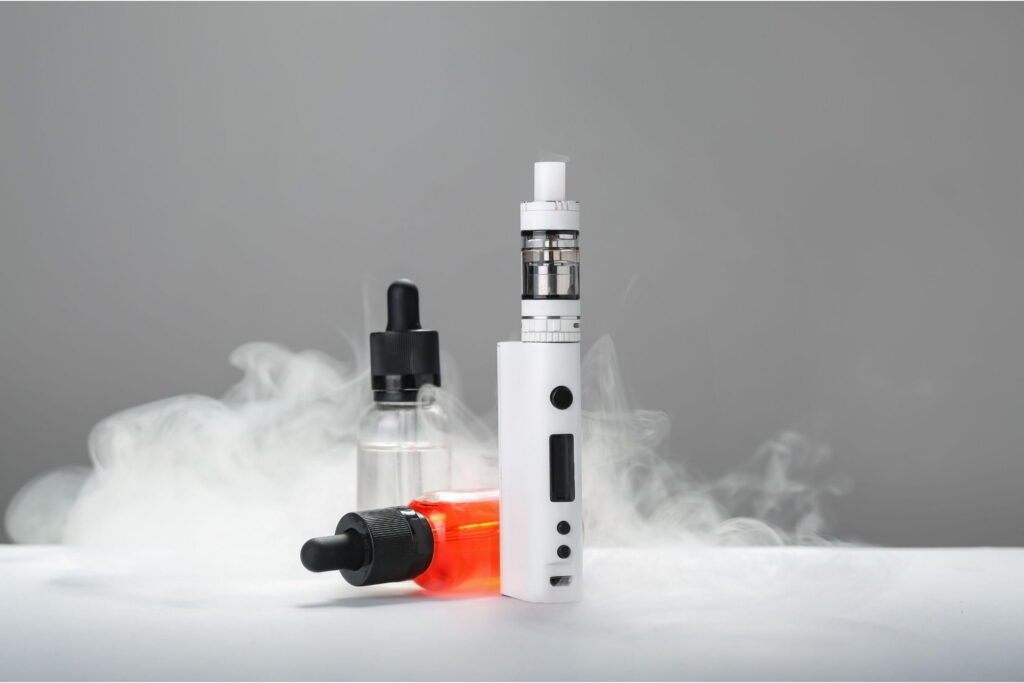
Teens and Vaping: What Parents Should Know
A teenager may view vaping as something social, harmless, or temporary without realizing how quickly regular nicotine use can become difficult to stop. Devices are often small and easy to conceal, and many have flavors or designs that can make them appealing to younger users.
According to the Centers for Disease Control and Prevention, 1.63 million U.S. middle and high school students reported current e-cigarette use in 2024, meaning they had used an e-cigarette within the previous 30 days. While that number has declined substantially in recent years, vaping remains a concern for families.
Nicotine use during adolescence can become intertwined with a teenager’s emotions, routines, friendships, and ways of handling stress, making it important to look at the larger picture rather than focusing only on the device.
Why Do Teens Vape?
There is no single reason teenagers begin vaping. Curiosity, peer influence, appealing flavors, social acceptance, stress, boredom, and a desire to fit in can all play a part, while some adolescents may begin using nicotine because people around them vape. For others, vaping can become a way to temporarily escape anxiety, frustration, sadness, or pressure.
Understanding the reason behind a teenager’s vaping can help parents have a more productive conversation and determine whether there are other concerns that need attention.
Common Types of Vaping Products
Vaping products come in many forms, and their appearance can change as new products enter the market.
A teenager may encounter:
- Disposable e-cigarettes: Small, pre-filled devices intended to be discarded after the liquid or battery is depleted.
- Pod devices: Compact systems that use cartridges or pods containing vaping liquid.
- Vape pens: Slim devices that may use pre-filled cartridges or refillable tanks.
- Tank systems: Larger devices that hold vaping liquid in a refillable container.
- Mod systems: More customizable devices that can allow changes to settings such as power or airflow.
- Cannabis vaping devices: Products designed to heat cannabis oils or concentrates rather than nicotine-containing liquid.
Signs Your Teen May Be Vaping
Because vaping can happen privately and devices can be difficult to recognize, parents may notice behavioral changes before finding a vape.
These may include:
- New or unfamiliar electronic devices
- Sweet, fruity, or unusual odors
- Unexplained chargers, pods, or cartridges
- Increased secrecy around belongings
- Frequent requests for money or unexplained purchases
- More frequent trips away from family members
- Irritability when unable to vape
- Strong cravings or difficulty going without vaping
- Changes in sleep or concentration
- Increased anxiety or irritability
- Declining interest in school or activities
- Changes in friends or social routines
Health and Mental Health Effects of Vaping
Vaping can affect a teenager’s physical health, brain development, emotional well-being, and daily functioning. When nicotine is involved, repeated use can also create dependence and make it harder for teens to stop.
Some common effects of vaping include:
- Brain Development: Nicotine can interfere with areas of the developing brain involved in attention, learning, mood, and impulse control.
- Nicotine Dependence: Repeated exposure can lead to cravings and make vaping increasingly difficult to control.
- Mood and Emotions: Nicotine use and withdrawal may contribute to irritability, restlessness, anxiety, or changes in mood.
- Daily Habits: Teens may begin relying on vaping during stressful situations, social activities, school, or other familiar routines.
- Withdrawal: Going without nicotine can cause uncomfortable symptoms that may encourage continued vaping.
- Coping: Vaping may become a way of managing stress or difficult emotions without addressing the underlying concerns.
Nicotine Addiction and Withdrawal in Teens
Nicotine dependence can develop gradually. A teenager who originally used a vape occasionally may begin reaching for it more often, thinking about when they can use it next, or feeling uncomfortable when they cannot.
Once dependence develops, stopping may bring withdrawal symptoms such as cravings, irritability, restlessness, difficulty concentrating, changes in sleep, or low mood. These reactions can make quitting frustrating for both teenagers and their parents. Recognizing that nicotine dependence can involve both physical and psychological components can create a more compassionate starting point for recovery.
When Does Vaping Require Professional Treatment?
Experimentation does not automatically mean that a teenager needs formal addiction treatment, but professional help may be appropriate when vaping becomes frequent, compulsive, or difficult to stop. Treatment may also be worth considering when nicotine use is affecting school, relationships, mood, responsibilities, or physical health, or when a teenager has repeatedly tried to quit without success.
A clinical assessment can help determine whether nicotine dependence is present and whether vaping is connected to concerns such as anxiety, depression, trauma, behavioral difficulties, or other substance use. Some teens may benefit from outpatient therapy, while others may need a more structured level of care.
Treatment for Teen Nicotine Addiction
Addressing teen vaping involves more than telling an adolescent to throw away a device. Treatment can explore cravings and dependence while also helping a teenager understand the situations, emotions, and relationships that may be connected to nicotine use.
At Tessera Adolescent Health, services may include:
- Family Therapy: Family therapy gives teenagers and caregivers a place to discuss vaping, improve communication, and work through concerns that may affect recovery at home.
- Group Therapy: Group therapy allows adolescents to work toward treatment goals with peers while discussing challenges and practicing healthier responses.
- Interpersonal Therapy: Interpersonal therapy examines relationships, communication difficulties, transitions, and interpersonal stress that may influence a teenager’s emotional well-being or nicotine use.
- Cognitive Behavioral Therapy (CBT): CBT helps adolescents recognize connections among thoughts, emotions, and behaviors and develop different responses to cravings, stress, and situations associated with vaping.
- Dialectical Behavior Therapy (DBT): DBT teaches practical skills for managing strong emotions, tolerating distress, handling relationships, and responding to impulses in healthier ways.
- Psychiatric Services: Psychiatric services provide evaluation, medication-related care when appropriate, and ongoing clinical oversight within the teenager’s broader treatment plan.
When vaping has become a coping mechanism, treatment can also focus on what the teenager was trying to manage through nicotine in the first place. Addressing those underlying concerns can make it easier to build healthier habits that continue beyond treatment.
How Parents Can Support Their Teen
Learning that your teenager is vaping can bring up fear, anger, or disappointment, but a confrontational response may make it harder for them to talk honestly about their use. Parents can start by asking open questions about when the vaping began, how often it happens, what the teenager gets from it, and whether they have tried to stop. Clear boundaries are still important, but they can exist alongside patience and understanding.
If nicotine has become difficult for a teen to control, parents do not need to treat the problem as a failure of willpower. Professional treatment can provide additional support and structure while helping the teenager work toward recovery.
Why Choose Tessera Adolescent Health?
Tessera Adolescent Health provides care designed specifically around the experiences and needs of adolescents, including teens whose vaping may be connected to broader mental health or behavioral concerns.
Highlights of our programs include:
- Adolescent-focused behavioral health treatment
- Compassionate, nonjudgmental care
- Family involvement when clinically appropriate
- Evidence-based therapeutic services
- Psychiatric services
- Dual diagnosis treatment for co-occurring mental health concerns
- Residential, PHP, IOP, and outpatient care
- Support for long-term recovery

Get Help for Teen Vaping
If vaping has become a regular part of your teenager’s life, you do not have to determine on your own whether the behavior has reached the point where professional treatment is needed. A clinical assessment can help your family understand the role nicotine may be playing and whether other emotional or behavioral concerns should be addressed at the same time. Tessera Adolescent Health provides transformative care that gives teenagers room to work through difficult experiences while building healthier ways to cope.
Visit our admissions page or give us a call at 215-810-0061 to learn about treatment options and take the next step toward recovery.
Frequently Asked Questions
Yes. Most e-cigarettes contain nicotine, an addictive substance that can lead to dependence, cravings, and withdrawal when regular use stops.
Possible signs include unfamiliar devices, vaping accessories, unusual odors, increased secrecy, irritability, cravings, unexplained spending, and changes in school or behavior. These signs can have other explanations, so an open conversation is often a useful place to begin.
Nicotine can affect the developing adolescent brain, particularly areas involved in attention, learning, mood, and impulse control. Because brain development continues throughout adolescence, repeated nicotine exposure is a particular concern for teenagers.
A teenager who has developed nicotine dependence may experience cravings, irritability, restlessness, difficulty concentrating, sleep changes, or low mood after stopping. Withdrawal experiences vary, and professional support may make the process easier to manage.
Treatment can include CBT, DBT, interpersonal therapy, group therapy, family therapy, and psychiatric services when appropriate. The recommended level of care depends on the severity of nicotine use and whether the teenager is experiencing other mental health or substance use concerns.


Addiction Specialists
Meet Our Team

Mary Montgomery
Executive Director
Mary Montgomery
Executive Director
Mary Montgomery
Executive Director
Contact Us Today
Tessera Adolescent Health is here to provide evidence-based treatment for teens with addiction and mental health disorders. We also support families of teens who struggle.
Contact us today to get your teen the help they need to thrive into young adulthood.